Gardening in Bedford: Top Native Plants for Every Season
- Torin Magliocco-Hodgkiss
- May 25
- 3 min read

Integrating native plants into your Bedfordshire garden isn’t just about aesthetics; it’s about supporting our local ecosystem. From the clay-heavy soils of the Marston Vale to the chalky slopes of the Chilterns, Bedfordshire offers a unique landscape for gardeners.
Here is your seasonal guide to growing native Bedfordshire plants.
Spring: The Wake-Up Call
As the frost thaws across the Great Ouse Valley, spring natives provide essential early nectar for queen bees.
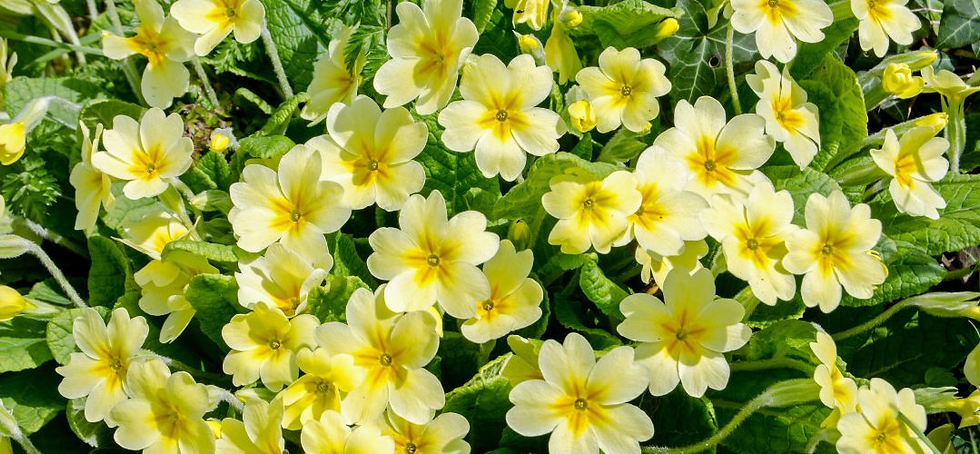
Primrose (Primula vulgaris): These hardy pale-yellow flowers thrive in the dappled shade of Bedfordshire’s hedgerows.
Wild Daffodil (Narcissus pseudonarcissus): Smaller and more delicate than garden cultivars, these are perfect for naturalising under trees.
Bedford Tip: Our spring weather can be unpredictable. Avoid digging in heavy Bedfordshire clay while it’s soaking wet, as this compresses the soil and destroys its structure.
Summer: The Wildflower Peak
Summer in Bedfordshire is all about vibrant colours and humming pollinators.
Oxeye Daisy (Leucanthemum vulgare): A staple of the local meadows, these are incredibly tough and thrive in even the poorest soil.
Greater Knapweed (Centaurea scabiosa): Particularly suited to the chalky soils found in the south of the county, like Dunstable Downs.
Bedford Tip: Use a water butt to collect rainfall. During dry spells, Bedfordshire often faces water restrictions, and native plants are far more drought-tolerant once established.

Autumn: Berries and Bronze
Autumn is the time to provide food for local birds like redwings and fieldfares.
Guelder Rose (Viburnum opulus): This shrub offers stunning red berries and thrives in the damper soils found near Bedford’s riverbanks.
Dogwood (Cornus sanguinea): Famous for its fiery orange and red stems, it provides a structural "pop" as other plants fade.
Bedford Tip: Don’t be too tidy! Leave fallen leaves in your borders to protect the roots of your native plants from the sharp winter frosts we often get in the Ouse Valley.

Winter: Structural Beauty
Even in the depths of January, a native garden has plenty to offer.
Stinking Hellebore (Helleborus foetidus): Despite the name, its evergreen foliage and lime-green winter bells are beautiful.
Holly (Ilex aquifolium): A classic evergreen that provides year-round privacy and vital winter shelter for wildlife.

Bedford Gardening Quick Wins
Know your soil: Much of Bedford sits on heavy clay. Add organic matter (like well-rotted manure) to improve drainage.
Shop local: Visit nurseries in Wixams, Sandy, or Milton Ernest to find varieties already acclimated to our specific climate.
Check the pH: If you live near the Chilterns, your soil is likely alkaline. Choose "lime-loving" natives for the best results.
Ready to transform your outdoor space? Whether you need help planting native species or general maintenance, The Garden Handyman Service is here to help across Bedford and the surrounding villages. You can reach out directly by calling 07360 642319 or emailing thegardenhandymanservice@gmail.com. Alternatively, head over to the Contact Page to fill out the enquiry form, and I will get back to you within 24 to 48 hours. Let’s get your garden looking its best!


Comments